

If you suffer from hearing loss, you’re not alone. Hearing loss is the third most common health problem in the United States.
According to the National Institute on Deafness and Other Communication Disorders (NIDCD), more than 36 million Americans have some type of hearing problem, and 30-40% percent of people over age 65 have hearing loss. Approximately 90% of those suffering from hearing loss can be helped by the use of hearing aids.
Hearing loss can stem from various causes, often accompanied by symptoms like tinnitus (noise in the ears), dizziness, imbalance, ear pain, or ear infection. Potential causes include infection, tumor, stroke, diabetes, neurological disease, autoimmune disorders, drug toxicity, and trauma. A family history of hearing loss may also indicate underlying risks. There are effective ways to manage hearing loss.
What are some signs of hearing loss?
- What other people are saying can be heard, but not actually understood.
- It sounds like other people are mumbling when they talk.
- Difficulty hearing conversations in group settings.
- Needing to ask someone to repeat what they just said, often more than once.
- Difficulty understanding words and conversations on the telephone.
- Radio/TV are consistently played at extremely high volume, causing complaints by others.
- Constant ringing sound in the ears (tinnitus).
In order to find out the root cause of your hearing loss symptoms, your hearing specialist will conduct a complete medical history, as well as a complete examination.
In the inner ear, there are thousands of hair cells that allow us to hear by detecting different frequencies, stimulating the auditory nerve, and sending sound signals to the brain. In 90% of all hearing loss cases, these hair cells are damaged, meaning that the brain is not receiving all of the sound needed to form a complete auditory soundtrack. The damage of those hair cells may result from trauma, disease, noise exposure, aging, or be hereditary in nature.
Sensorineural hearing loss is particularly problematic because it usually develops gradually. As hearing loss continues unnoticed, eventually sounds that are critical to communication become compromised. Over extended periods of time, the brain will become accustomed to not hearing those sounds, meaning that it will take longer for the brain to understand those sounds again. Many people dismiss or ignore their hearing loss, sometimes for years — this is a bad decision, because putting off the inevitable only makes it more difficult to rectify the problem. Regular hearing aid use helps maintain the brain’s ability to interpret sounds, increases communication, and improves the user’s quality of life. People with hearing loss live active, fulfilling lives.
Bay Area Audiology Partnership
Our partnership with Bay Area Audiology provides our patients direct access to expert audiologists who can discuss hearing aid options after a hearing evaluation. Bay Area Audiology is a full-service hearing aid dispensary. They carry a variety of hearing aid brands, accept insurance benefits, provide a hearing aid loaner program, service repairs, and offer financing on purchase of hearing aids.
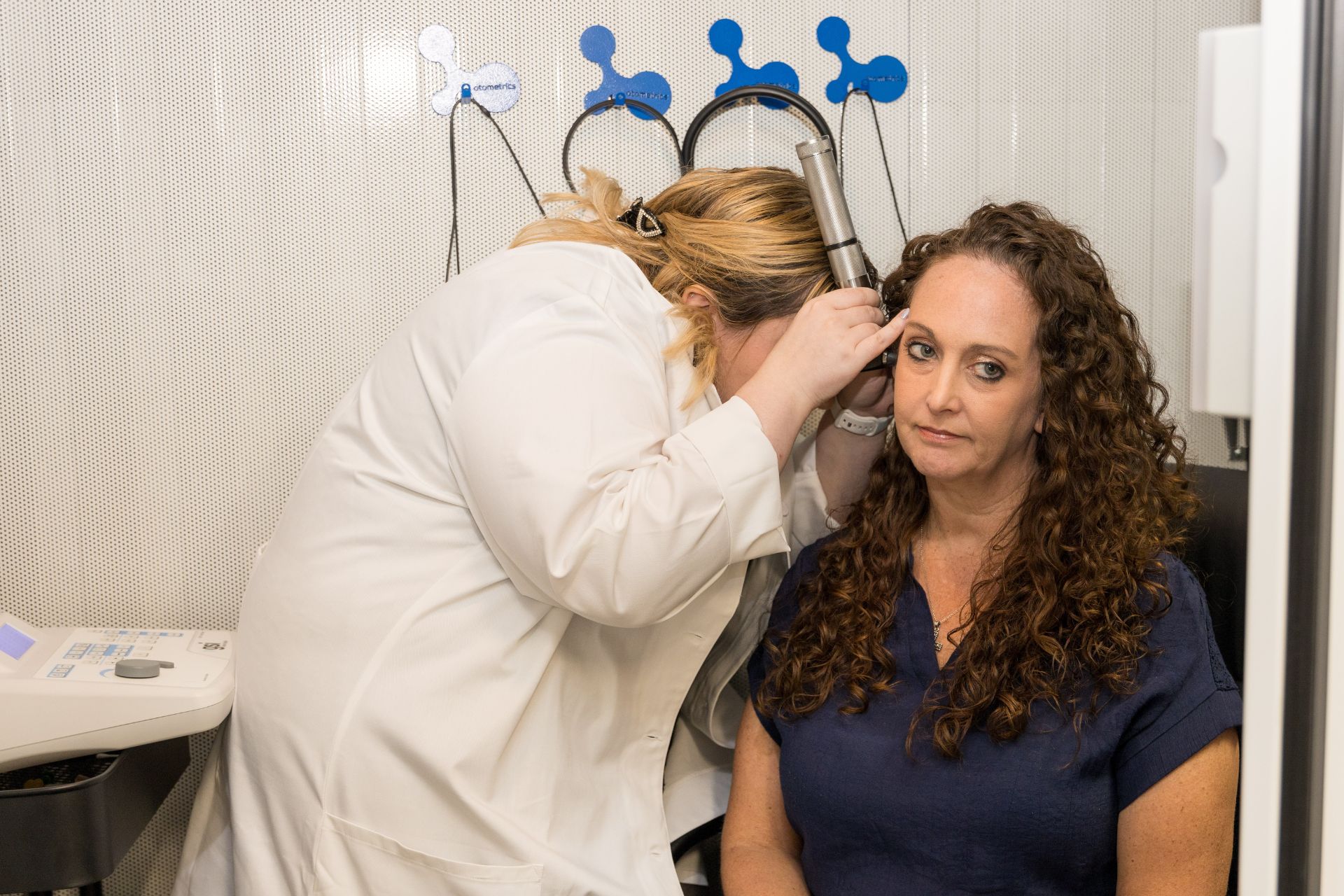
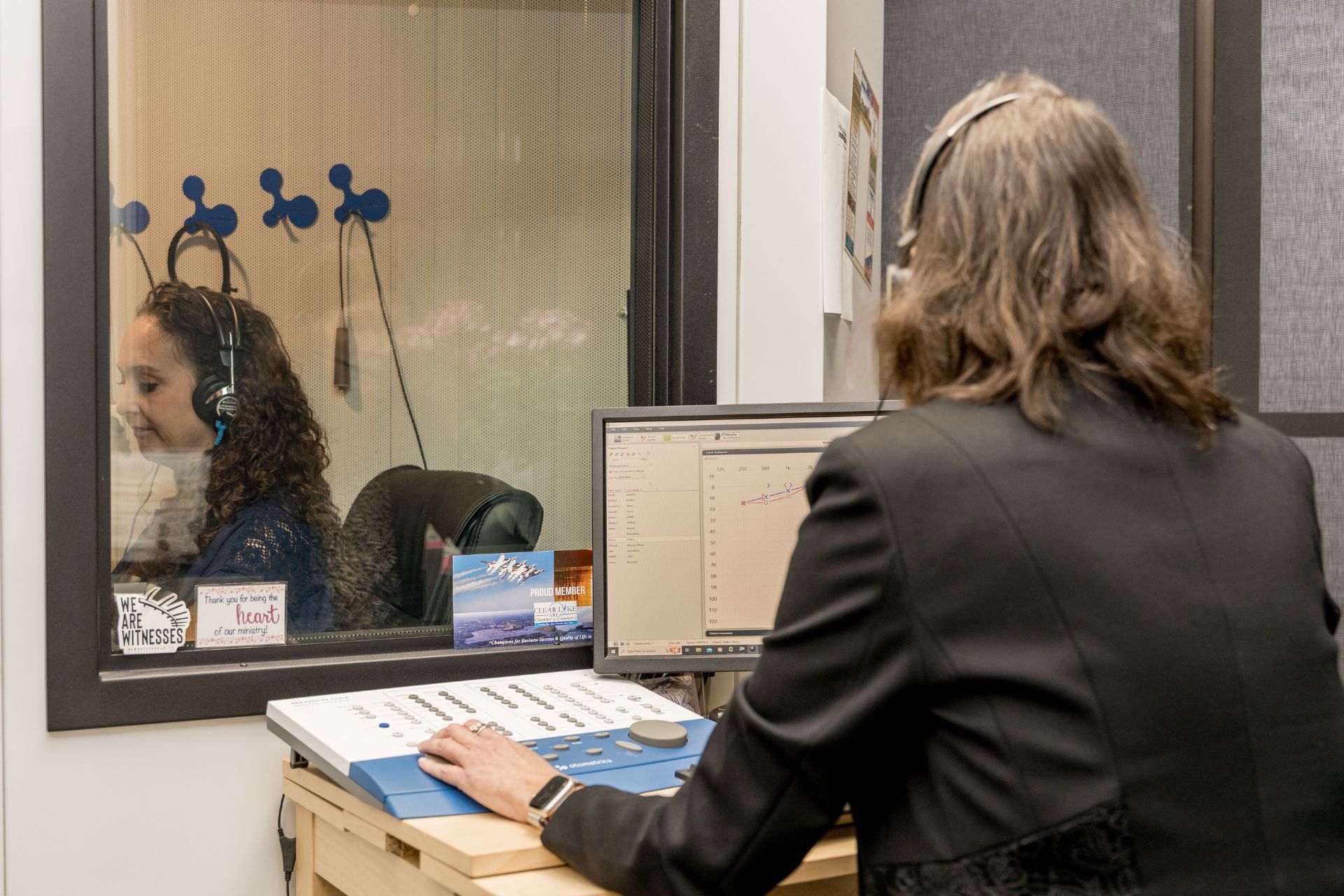
The first step in effective treatment is accurate diagnosis.
Diagnosis involves a variety of assessments and tests. A typical evaluation may start with a physical examination of the ears, nose, and throat, followed by audiometric tests to evaluate hearing levels. Our audiologists perform comprehensive hearing examinations in a high-tech sound-treated booth to ensure accurate testing results. Testing options are also available for young children who may not be able to cooperate with a traditional hearing examination.
WE ARE HERE FOR YOU
Ready to improve your hearing health?
Schedule a consultation with our expert audiologists to explore personalized solutions for managing tinnitus and hearing loss. Your journey to better hearing starts here!