

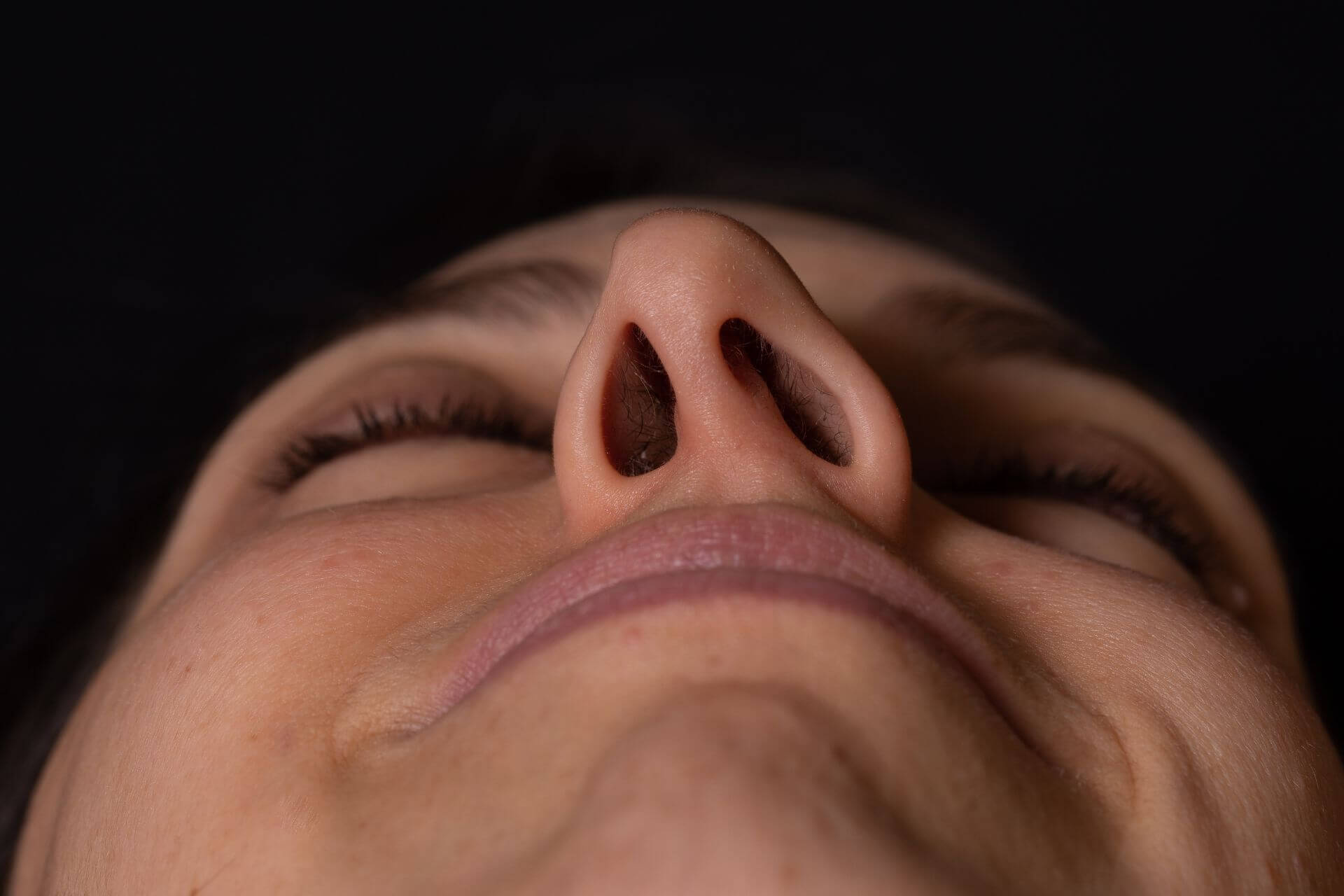
Septoplasty is one of the more common ENT surgeries. In the United States, tens of thousands of septoplasties are performed each year, reflecting its importance as a treatment for nasal blockage and its complications.

What is a deviated septum?
The nasal septum is the middle divider that separates your right and left nasal cavities. When the septum is not straight, or is deviated, it may obstruct one side of your nasal breathing more than the other.
A deviated septum may cause other problems such as recurrent nosebleeds, congestion due to refractory turbinate engorgement, recurrent sinus infections, nasal or sinus pain, and external changes to the nose.
Septoplasty involves the surgical correction to straighten a deviated septum.
What is a septoplasty?
Septoplasty involves the surgical correction to straighten a deviated septum. This is typically done through incisions placed inside the nose. The lining of the septum is raised in order to access the underlying cartilage and bone. The damaged portions contributing to deviation are removed. The goal is to straighten the septum and provide equal breathing on the right and left sides.
At times, there may be other structural issues contributing to nasal obstruction. Septoplasty can also be combined with other nasal procedures such as inferior turbinate reduction, nasal valve repair, rhinoplasty, and sinus surgery.
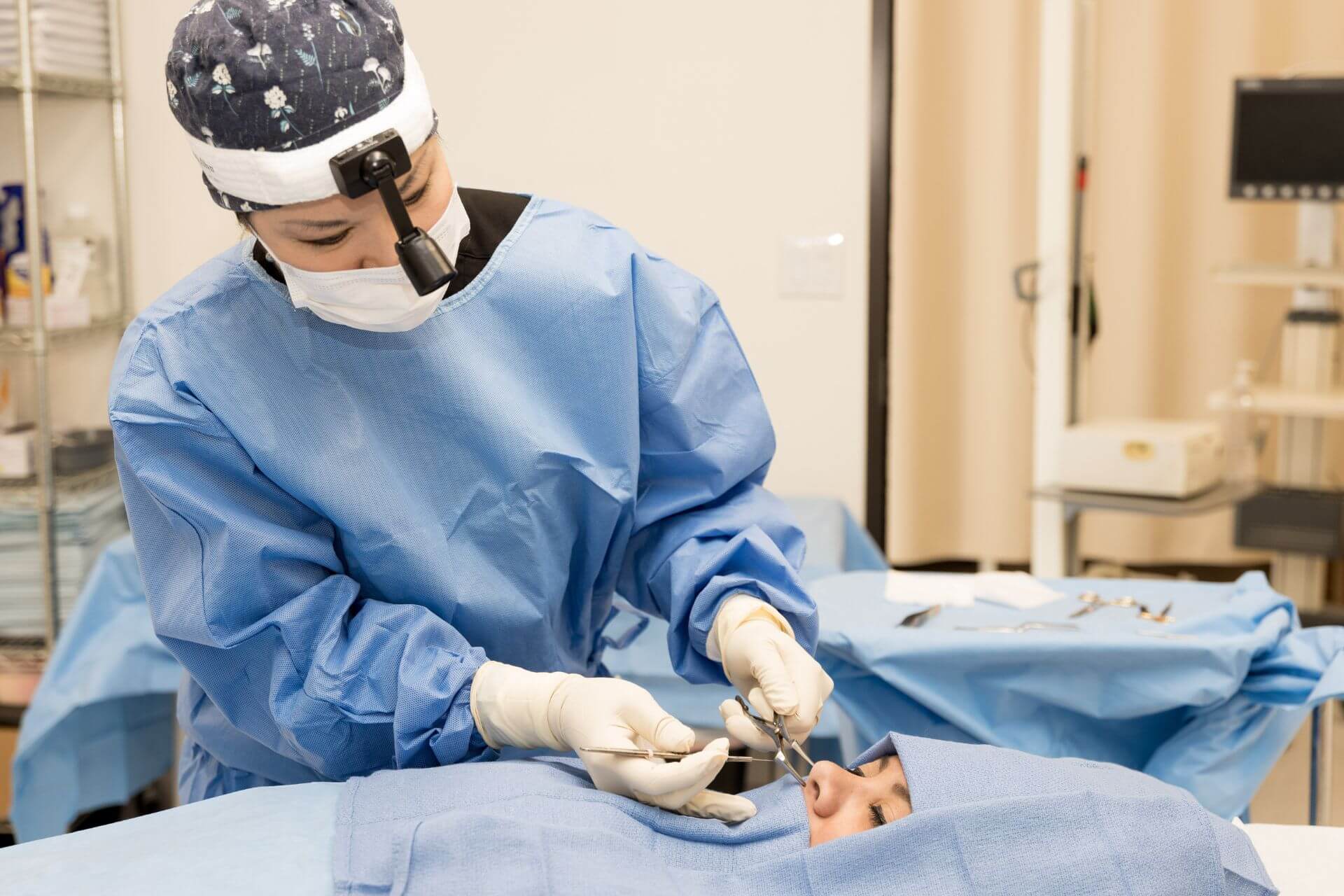
Causes of a deviated septum are typically related to nasal trauma. The trauma may or may not be related to a nasal bone fracture which is often associated with more visible signs of swelling, bruising, and bleeding. The event may occur early in life with no memorable recollection by the patient.
In a smaller number of individuals, the septum may be congenitally deviated. This is often associated with other congenital abnormalities of the nose or lip, such as cleft lip and palate. Significant trauma during the birthing process may also contribute congenitally deviated septum.
Recovery typically takes one week of rest, two weeks of light activity, and 4-6 weeks for the majority of swelling to resolve and to experience the full benefits of surgery.
Septoplasty is generally well-tolerated, but like any surgical procedure, it can involve some discomfort during the recovery period. Most patients describe the pain as mild to moderate, which can usually be effectively managed with pain relievers prescribed by the doctor.
Overall, while there is some discomfort associated with septoplasty, it is manageable, and most patients feel that the long-term benefits of improved breathing and sinus function outweigh the temporary post-surgical pain.
Septoplasty, the surgical correction of a deviated septum, can improve symptoms associated with sleep apnea, snoring, sinusitis, and post-nasal drip, but it is not a definitive cure for these conditions. For individuals whose obstructive sleep apnea or chronic snoring is exacerbated by nasal blockages due to a deviated septum, septoplasty can enhance airflow, potentially reducing the frequency and severity of apnea episodes and snoring. This surgery can also aid in alleviating sinusitis symptoms by improving sinus drainage if the septal deviation is impeding these pathways. Similarly, correcting the septum may help reduce post-nasal drip by facilitating better mucosal clearance from the sinuses. However, each of these conditions can be multifactorial and influenced by other anatomical and environmental factors. Therefore, while septoplasty can provide significant symptomatic relief, it is often most effective when combined with other treatments and considered as part of a comprehensive approach tailored to the specific needs and health profile of the patient.

Advanced In-Office Technology and Techniques
Utilizing the newest technologies in the field of ENT, we provide a comprehensive range of in-office sinus and nasal procedures, offering not only relief but convenience to sinus sufferers in the Clear Lake region. This includes an in-office CT scanner, image-guided sinus surgery, nasal polypectomy, radiofrequency inferior turbinate reduction, and more.
Improve your quality of life
Safe and Effective
If considering septoplasty, it's important to consult with a qualified ENT specialist who can provide detailed information based on individual health needs and the latest clinical guidelines.